Optimal Timing for Pet Fence Repairs
Timing for pet fence repairs depends on several factors including weather conditions, the extent of damage, and seasonal considerations. Performing repairs during mild weather ensures better working conditions and quicker turnaround times. Typically, late spring and early fall are ideal periods due to moderate temperatures and lower precipitation levels.
Repair projects are most effective during seasons with stable weather, avoiding winter freezes and summer heat waves that can hinder work and material performance.
Immediate repairs should be scheduled as soon as damage is identified, regardless of season, to prevent further deterioration and ensure pet safety.
Certain fencing materials, like wood, are more susceptible to weather damage and should be repaired during dry seasons to ensure proper adhesion and longevity.
Repair timing may also consider pet activity patterns, with off-peak seasons minimizing disruption and stress for pets.
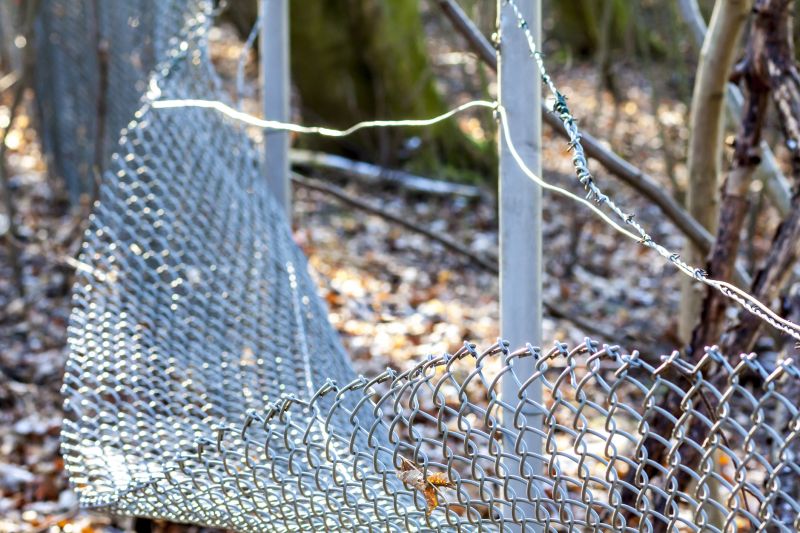
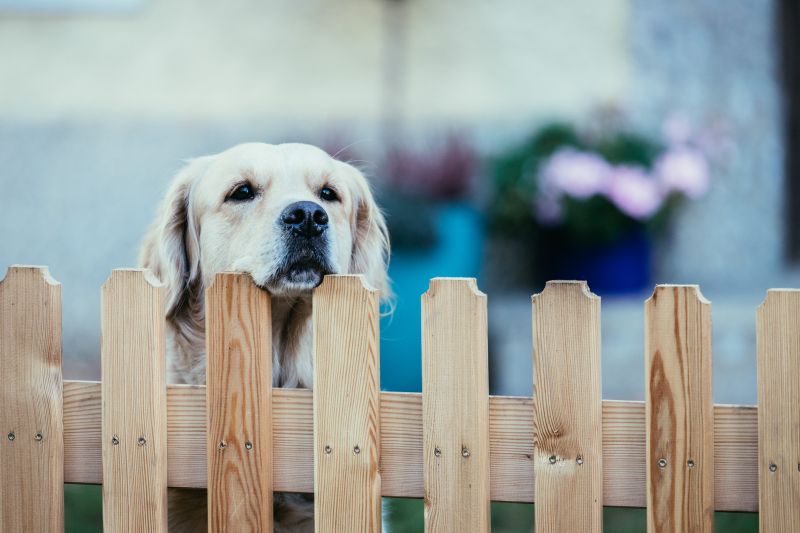
A section of fencing showing signs of wear and tear that requires repair.
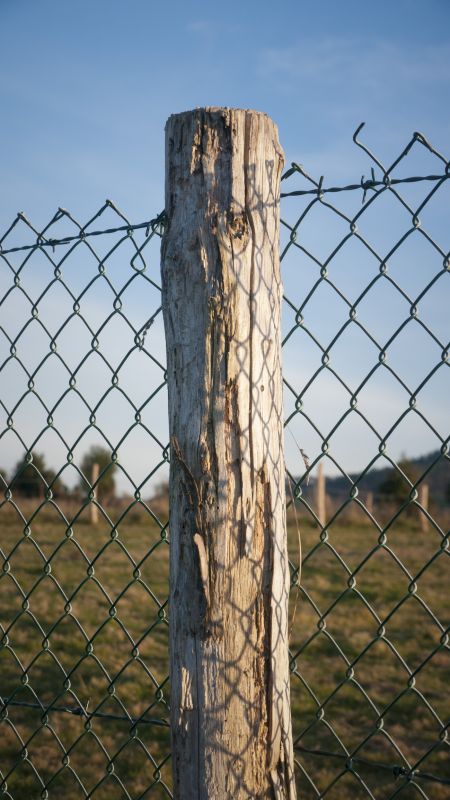
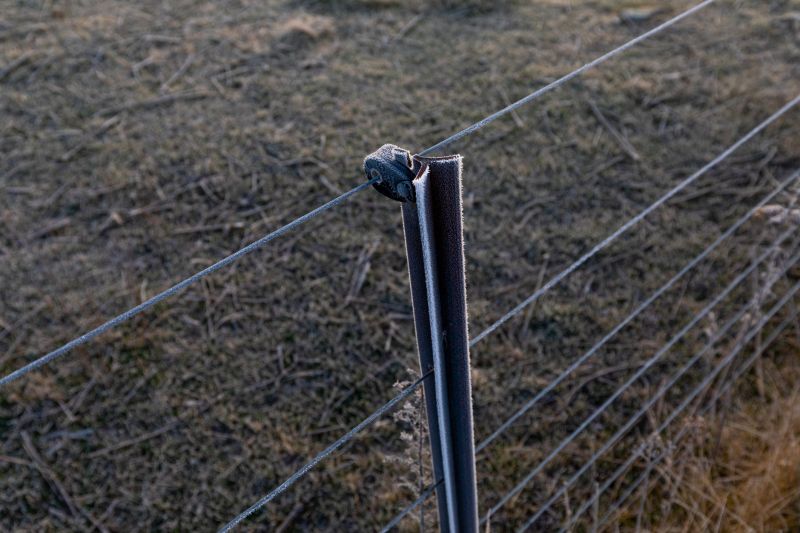
A close-up of a post affected by weather conditions, highlighting the importance of timely maintenance.
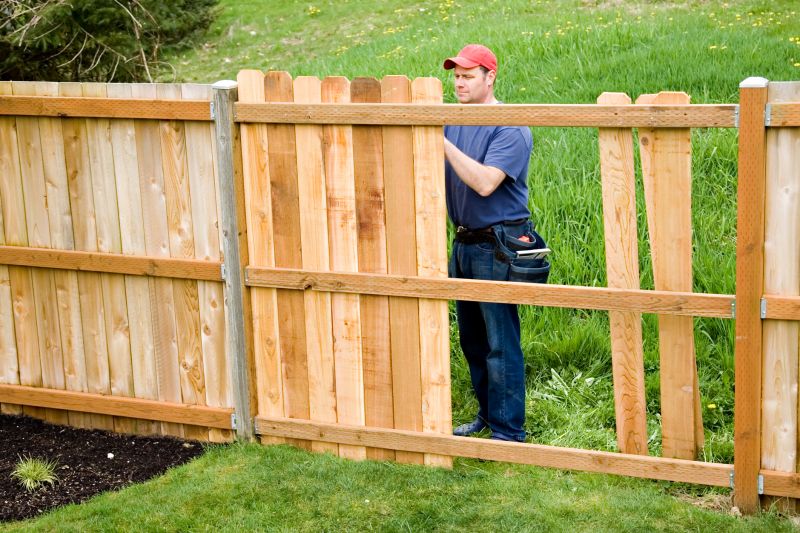
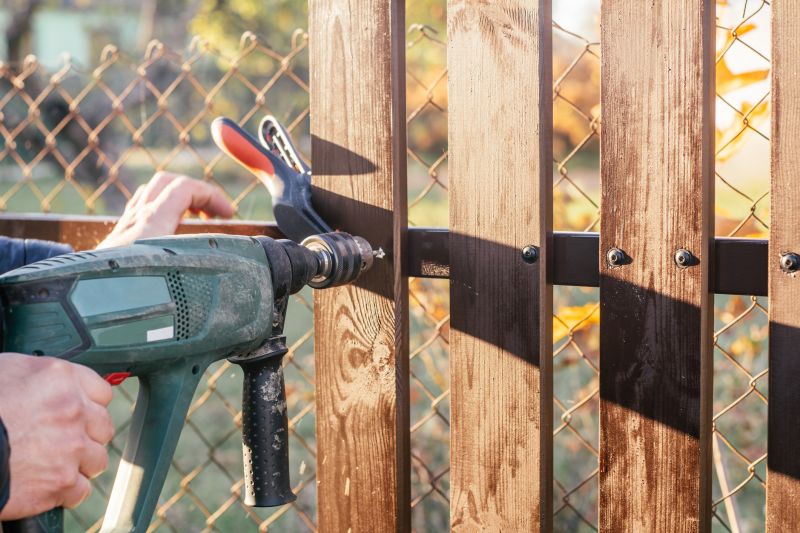
A worker repairing a fence during mild weather conditions.
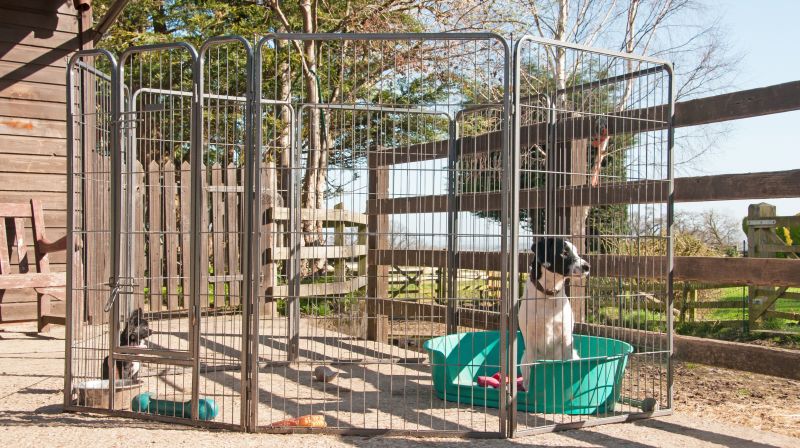
Ways to make Pet Fence Repairs work in tight or awkward layouts.
Popular materials for Pet Fence Repairs and why they hold up over time.
Simple add-ons that improve Pet Fence Repairs without blowing the budget.
High-end options that actually feel worth it for Pet Fence Repairs.
Finishes and colors that play nicely with Pet Fence Repairs.
Pet fence repairs are essential for maintaining a secure environment for pets. Damaged fencing can lead to escape, injury, or exposure to hazards outside the yard. Regular maintenance and timely repairs help extend the lifespan of fencing systems and prevent costly replacements. Statistics indicate that a significant percentage of pet escapes are due to compromised fencing, emphasizing the importance of prompt repairs.
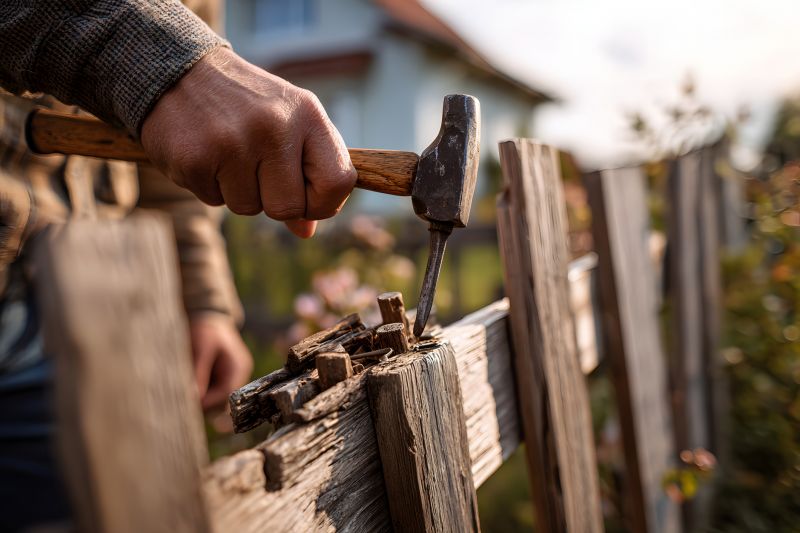
Tools used for repairing fencing, including hammers, drills, and replacement panels.
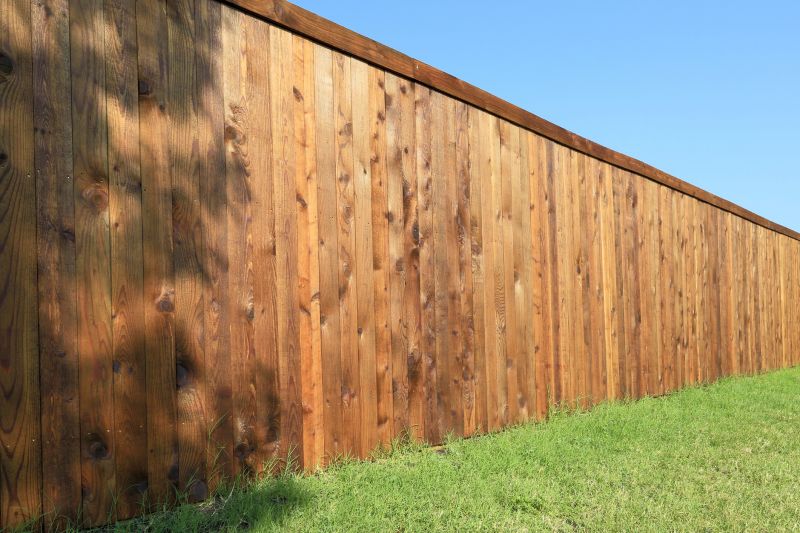
A recently repaired section of fencing showing improved integrity.
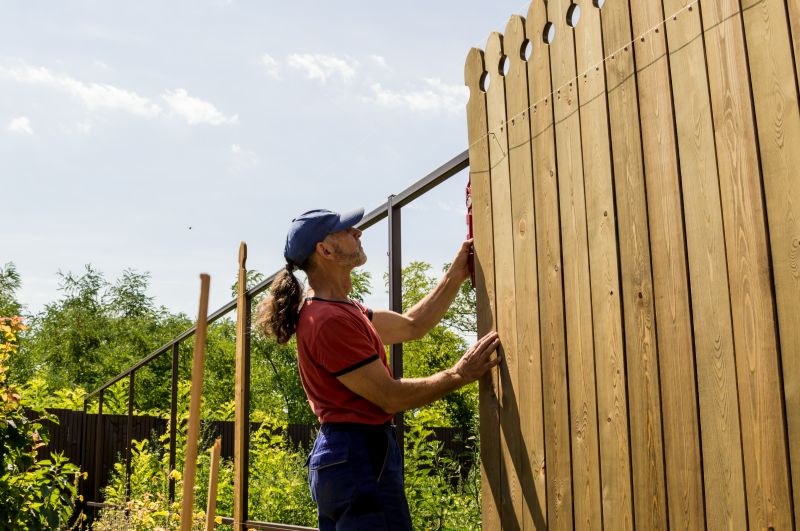
A technician inspecting fencing for damage and wear.
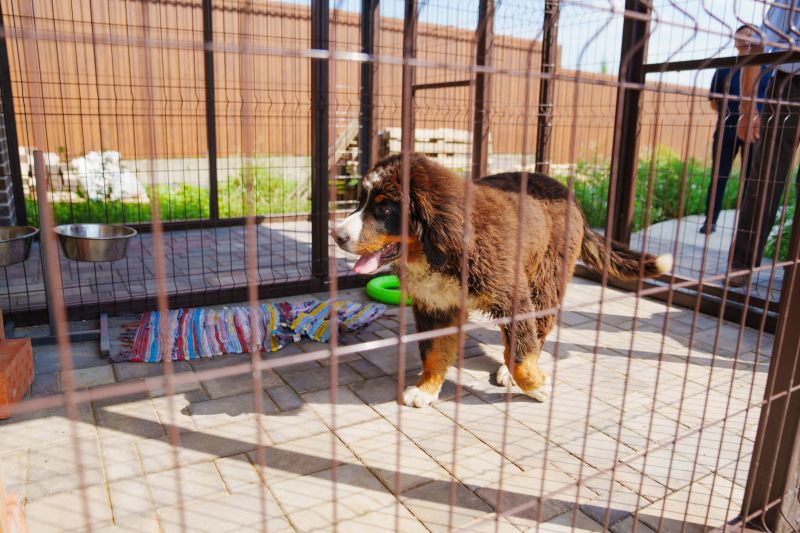
A secure yard with well-maintained fencing ensuring pet safety.
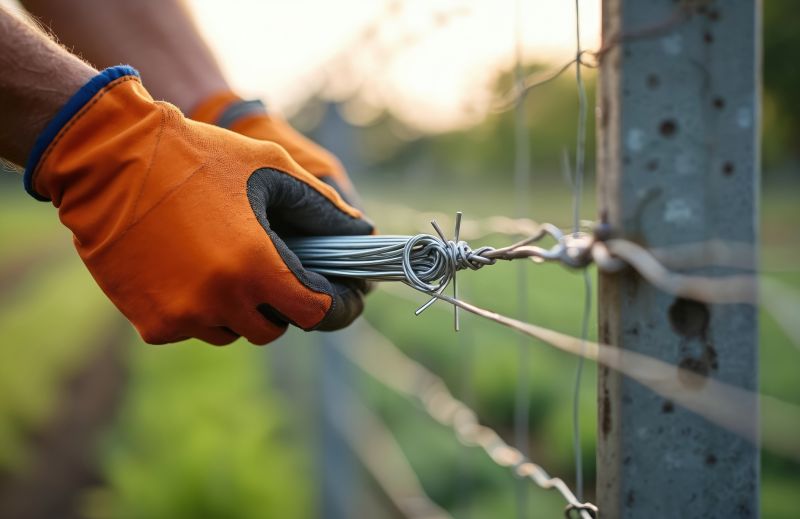
Little measurements that prevent headaches on Pet Fence Repairs day.
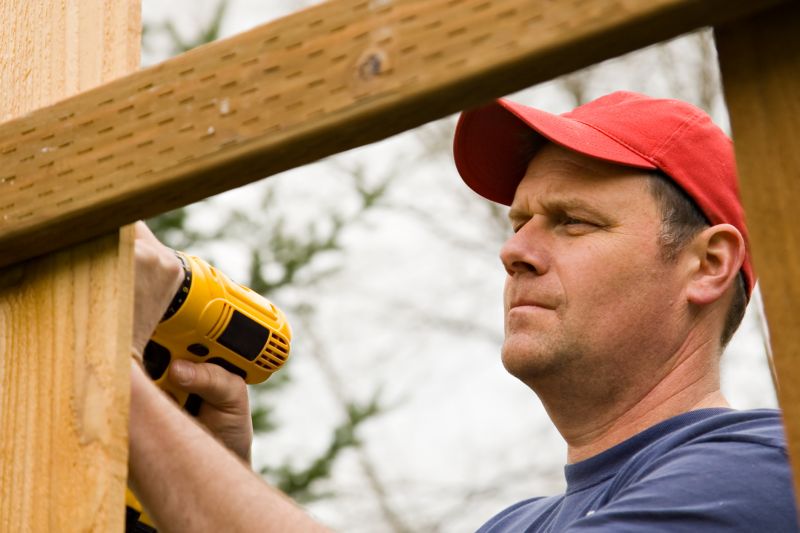
A 60-second routine that keeps Pet Fence Repairs looking new.
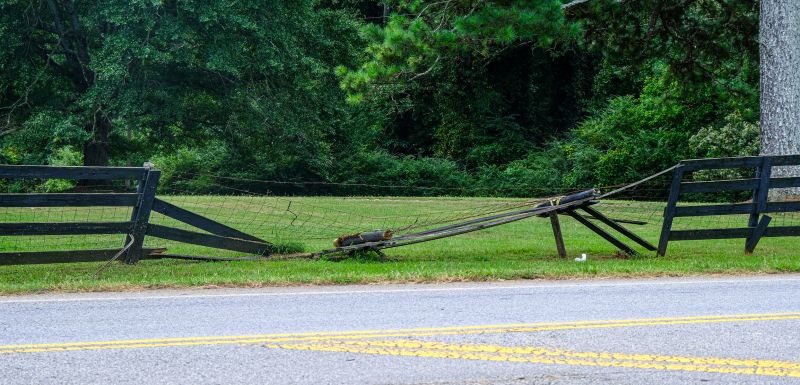
A frequent mistake in Pet Fence Repairs and how to dodge it.
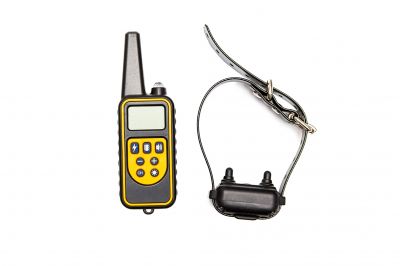
Small tweaks to make Pet Fence Repairs safer and easier to use.
| Factor | Best Time to Repair |
|---|---|
| Weather Conditions | Mild, dry seasons such as spring and fall |
| Damage Urgency | Immediately upon damage detection |
| Material Type | Dry seasons for wood, flexible for all seasons |
| Pet Activity | Off-peak seasons to minimize disruption |
| Inspection Schedule | Post-storm or severe weather periods |
| Seasonal Temperatures | Avoid extreme cold or heat for optimal work |
| Precipitation Levels | Low rainfall periods |
| Availability of Contractors | Spring and fall often have higher contractor availability |